Cabinet Painting Sacramento is a popular way to refresh your kitchen without the cost of a full remodel. However, it requires specialized knowledge to ensure the results last. Take shortcuts and you may find yourself removing new paint or paying for costly touch-ups later on.
The right prep work makes all the difference. Let’s dive into the benefits and drawbacks of cabinet painting to help you determine if it’s a good fit for your home.
Time-Saving
Cabinet painting is a time-consuming project that can be challenging for novice painters. Professionals have the equipment, experience and expertise to deliver a high-quality finish in a short period of time. They know how to prepare surfaces, apply coats quickly and avoid common mistakes that can compromise the quality of the final result. In addition, they use high-quality paints that are designed for cabinets and withstand wear and tear.
New cabinet hardware and doors can be expensive, but a fresh coat of paint can give them a whole new look for a fraction of the cost. Cabinet painting also allows homeowners to customize the look and feel of their kitchen by choosing a unique color or sheen that can elevate their style and impress guests when they entertain.
In addition, painting cabinets can be more eco-friendly than replacing them. Replacing cabinets uses a lot of resources, generates a lot of construction waste and emits harmful chemicals into the air. By repurposing existing cabinets, you can significantly reduce your environmental impact while boosting the resale value of your home.
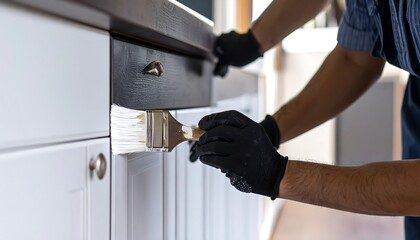
The process of cabinet painting is much more detailed than house painting, requiring the removal of doors and drawers, surface cleaning and prep, sanding, priming and multiple coats of specialized paint. Hiring a professional to handle the task eliminates the risk of shortcuts that can compromise the final outcome, saving you money in the long run.
By choosing the right colors and finishes, you can create a modern, rustic or classic aesthetic with your cabinetry. You can even opt for a two-tone look, such as white and black, to make your space stand out from the crowd.
The most popular choice is glossy white, but you can go for a more traditional satin or matte sheen to suit your personality and complement your kitchen’s fixtures and appliances. There is no limit to the creativity you can unleash when it comes to cabinet painting. The result is a stunning visual impact that will turn heads and leave an impression on visitors and potential buyers. When done correctly, this renovation is one of the most valuable and cost-effective upgrades you can do to your home.
Cost-Effective
Painting cabinets is a cost-effective way to update your kitchen without the expense of a full remodel. It can also add value to your home. The key to a beautiful finish is meticulous prep work, which includes degreasing and sanding the cabinet surface to ensure it will accept paint. Skipping these steps or taking shortcuts can lead to visible brush strokes or drips that diminish the beauty of your finished kitchen. Hiring a professional cabinet painter to take care of the details means your newly painted cabinets will last and look great for years to come.
One of the most important things to consider when choosing a new color for your cabinetry is the sheen. High-gloss and semi-gloss finishes are durable and easy to clean, making them popular options for cabinets. There are many different shades to choose from, including neutrals, soft pastels, and bold statement colors. Choosing the right shade can make your kitchen feel fresh and inviting. Another cost-effective way to refresh your cabinetry is by updating the hardware. New knobs and pulls can give your kitchen a fresh, modern look.
While house painters are skilled at painting walls and ceilings, cabinet painters have a much more specialized set of skills and tools. They are trained to handle the intricacies of painting cabinetry, including thorough prep work, like degreasing and sanding, and expert techniques for applying paint to ensure an even, smooth finish. Skipping these steps or using the wrong materials can cause your newly-painted cabinetry to deteriorate quickly, ultimately costing you more money in repairs and replacements.
Cabinet painting costs vary depending on your kitchen size, the type of paint you use, and how much prep work is required. For example, premium paints that offer low-VOC properties or enhanced durability may cost more than standard household paint. Additionally, spray-painting is faster than brush-and-roll, reducing labor costs but adding to equipment and setup time.
Cabinet refacing can be more expensive than painting, but it is also more durable and keeps the look of natural wood. However, it requires a significant amount of prep work and can be messy and time-consuming. Ultimately, the best option for your kitchen depends on your budget, timeline, and desired result.
Versatile
If you’re looking to change the look of your kitchen without the time-consuming hassle and expense of a full renovation, cabinet painting is an excellent option. A professional cabinet painter uses specialized tools and precise application methods specifically designed to create a durable finish that stands up to high-traffic areas. This process results in an updated aesthetic that looks like new for years to come.
A fresh coat of paint can transform your cabinets from drab to fab, boosting the overall appeal of your kitchen. Updating your cabinetry also increases your home’s resale value, as prospective buyers will be attracted to the visually appealing and modern appearance.
While many homeowners take on the task of refinishing their own cabinets, a professional cabinet painter can save you thousands. This is because a professionally done job is more detailed and durable than an DIY job, providing long-lasting beauty that resists chipping, fading, and peeling. In addition to a flawless finish, a professional cabinet painter can use their experience to help you choose the right colors and sheens to best suit your style preferences.
Professionals use degreasers to prepare surfaces for proper adhesion, ensuring that the paint will last longer and remain durable. They can also repair dents and seams, resulting in a smoother surface that can stand up to repeated wear and tear. Additionally, they are trained to use products that are engineered specifically for cabinets, which are more resistant to stains and grease than typical house paints.
With a wide selection of colors to choose from, and the option for a variety of sheens and textures, cabinet painting offers limitless design possibilities. A skilled professional can help you find the perfect hue to complement your existing décor, or make a bold statement that elevates your kitchen. They can even offer customized upgrades, such as glazing or antiquing, to further enhance the final look of your space. This versatility empowers you to create a unique and bespoke appearance that aligns with your aesthetic preferences while complementing your existing decor.
Long-Lasting
Cabinet painting is a time-consuming process compared to wall paint, but the end result can be long-lasting and durable. If done properly by a professional with specialized equipment and proven processes, cabinets can stand up to years of use and remain fresh-looking. A professional refinishing workflow includes inspection, selective repairs, cleaning, deglossing (sometimes requiring chemical stripping), light sanding or wood filler, high-quality priming, and multiple topcoats including conversion varnish or modern waterborne polyurethanes for durability. During this process, doors and drawers are removed from their frames, and all surfaces are prepped for the new finish, including the back of each door, the inside of the cabinet boxes, and the cabinet boxes themselves. Old paint is tested for lead if needed, and all materials are carefully disposed of.
In contrast, a DIY cabinet refinish is more likely to skip key steps, which can leave the finished product vulnerable to damage or deterioration. Overtime, this can require costly repainting or repairs. Using low-cost painters with less experience also increases your risk for shortcuts that can leave you with flaws in the finish, which may not be obvious until they are too late to fix.
The type of paint used is another critical factor for longevity. Cabinets are constantly handled, and they are exposed to moisture, oils, and grease that can cause paint to crack, chip, or yellow over time. Professional cabinet painters work with cabinet-specific paints, such as acrylic enamels that dry to a rock-hard finish and resist stains and heat. These types of paints also contain low or no VOC, so they are safer for indoor environments.
Once the cabinets are painted and cured, they can be reinstalled with new hardware for a more finished look. Adding upgrades like soft-close hinges or new pulls is another affordable and effective way to upgrade your kitchen without a major renovation. When combined with a color update, these small touches can elevate the finished look of your kitchen while saving thousands.